







Domestic violence organizations and child welfare agencies have a shared goal of reducing violence within families and promoting child well-being. Yet, these two systems have historically applied different approaches to meeting the needs of communities. While domestic violence organizations tend to focus on the adult victim, child welfare agencies focus on the children, often viewing the parent as potentially engaging in child abuse or failing to protect the child from the abusive acts of others. Often, these different stances towards children’s exposure to domestic violence have hindered collaborative efforts to serve families.
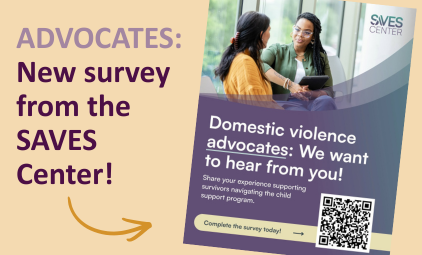
Advocates are essential in keeping families safe and connected. They help survivors navigate complicated systems, strengthen safety planning, and reduce foster care involvement. Their support matters most when domestic violence is present but not clearly recognized, because survivor parents are too often blamed for the abusive partner’s actions. Advocates help keep the focus on the person causing harm and ensure families can access trauma informed support without adding the trauma of separation.
Grounded in shared values, meaningful collaboration between domestic violence and child welfare agencies is critical for effectively meeting the complex needs of families and keeping children safe.
| Attachment | Size |
|---|---|
| Domestic Violence and the Child Welfare System: What Domestic Violence Advocates Need to Know | 1.29 MB |