







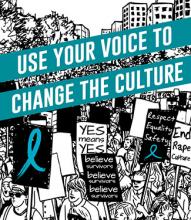
Preventing a serious and widespread epidemic like sexual assault can feel daunting – even impossible at times. The attitudes and norms that allow sexual violence to persist are so ingrained in our culture. But the more individuals get involved and use their voices to shift cultural norms, the closer we get to a world free of sexual violence.
VAWnet News Blog
This area provides access to current and past news coverage on various issues related to gender-based violence that has national reach or impact, a full archive of NRCDV eNewsletters featuring announcements of new resources, initiatives, and events and access to our recent and archived TA questions of the month.
TA Question of the Month
Wednesday, March 01, 2017
TA Question of the Month

Wednesday, February 01, 2017
For #TeenDVMonth, this TAQ explores the importance of embracing intergenerational activism to realize real social transformation. It highlights ways to truly work in partnership with youth, challenging adult advocates to examine the ways our own movement spaces can marginalize youth and to be open to the possibility that there are new and different ways to move forward.
TA Question of the Month

Tuesday, January 03, 2017
I resisted therapy until I was well into full-fledged adulthood, at which point I had earned my masters degree in social work and felt qualified enough to engage others in the counseling and coaching process. What I didn’t know then was how powerful self-discovery can be to personal empowerment (the process of gaining control over one’s own life), and to the journey of healing and resilience.
TA Question of the Month
Wednesday, November 30, 2016
As advocates, we have a responsibility to understand the intersection of sexual violence and HIV and AIDS as part of supporting survivors to our best ability.
TA Question of the Month
Monday, October 31, 2016
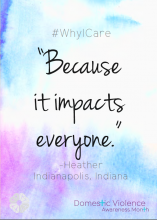
With Domestic Violence Awareness Month (DVAM) behind us, the question is: how can we motivate our communities to stay involved? Domestic violence awareness goes beyond a purple ribbon and a powerful speech. It’s more than the poster, the walk, and the candlelight vigil. Domestic violence awareness is the ability to change people’s mindsets about its very nature and impact on all of us, and to inspire passion for social change long after DVAM comes to an end.
TA Question of the Month

Friday, September 30, 2016
For Domestic Violence Awareness Month and beyond, the National Resource Center on Domestic Violence (NRCDV) wants to draw attention to the role of collective resilience as a transformative response to the violence and trauma experienced by our communities.