











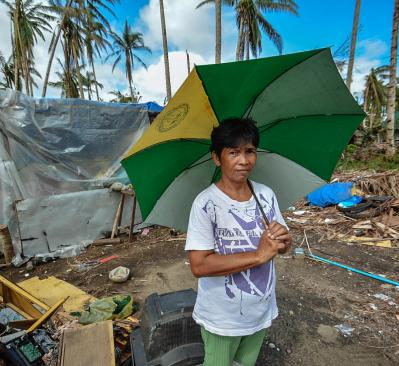
Domestic and sexual violence are critical issues facing communities affected by disasters. At the same time, disasters can also have a distinctly challenging impact on those individuals already traumatized by violence. Seventy percent of women experience domestic or sexual violence in humanitarian or crisis contexts, compared to the global average of 30 percent (IDLO & GWI, 2022). Large-scale emergency situations often increase economic hardship and exacerbate abuse survivors’ financial instability, leaving them feeling trapped in unsafe environments and without basic necessities (FreeFrom, 2022).
During the COVID-19 pandemic, policies like stay-at-home orders, designed to mitigate the pandemic, created unintended consequences that exacerbated risk factors for domestic violence. Research found that the odds of experiencing “any injury” (vs. no injury) in relation to domestic violence incidents were significantly higher during the initial 13-month period following the start of the global pandemic (March 2020-March 2021) compared to the pre-pandemic period (Shariati & Irvin-Erickson, 2025). In turn, frontline advocates were simultaneously coping with COVID-19 impacts on themselves and their agencies, while playing essential roles in adjusting services to meet survivor needs during the pandemic (Garcia et al., 2022).
About This Collection
This collection draws attention to the links between domestic and sexual violence and disaster and emergency situations. Note that the terms “disaster” and “emergency” are being used broadly to refer to major traumatic events and crisis situations that are either natural (e.g., hurricanes, earthquakes, tornados, etc.) or human-caused (e.g., massacres, terrorist attacks, etc.). Included in this collection are selected materials and resources that can be used by domestic and sexual violence organizations to increase their preparedness for and response to major disasters and emergencies. Also included is information developed for victims/survivors of domestic and sexual violence who are concurrently coping with trauma and stress after a natural disaster or major crisis. A list of organizations working directly or indirectly with disaster and emergency preparedness and response is included for more information.
A Final Note
From disaster/emergency preparedness to response and all phases in between, advocates and service providers must recognize and honor the expertise of the communities they serve and how survivors are able to leverage the strengths and resources that are available to them.
“In order to truly support survivors in crisis—whether during a natural disaster, COVID-19, or everyday circumstances—we need robust, long-term solutions that are survivor-centered and take their lived experiences into account" (FreeFrom, 2022).