







Prevention strategies and practices are vital for people with disabilities. Persons with disabilities are at a significantly higher rates of sexual violence. This is due in large to the fact that the disability community is a marginalized part of society. In order for society to accept the disability community, people with disabilities must be thought of as equals. Ableism, the discrimination and social prejudice against people with disabilities, is one way of perpetuating marginalization of this community.
Structural Ableism refers to physical inaccessibility that effectively denies entry and equal use by people with disabilities. Barriers may include physical structures such as public spaces, and infrastructures like public buses and routes. A common example of this is a staircase with the absence of a ramp or elevator. This situation denies access to those who use wheelchairs or other mobility aids, but what about other disabilities? How are they affected by structural ableism?
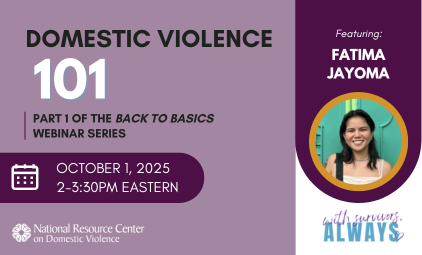
Through this webinar participants will learn about different types of structural ableism, hear personal stories from our three panelists of how structural ableism impedes people with different disabilities, and ways to accommodate for different disabilities through universal design.