







By Ivonne Ortiz, Vice President of Programs and Capacity Building, National Resource Center on Domestic Violence (NRCDV)
NRCDV’s Prevention Council National Prevention Scan Data Report gives us a lot to think about, especially for those of you doing prevention work every day in your communities. Many of the themes in the report will probably feel familiar. They reflect what you have been naming in meetings, listening sessions, and conversations with us for a long time. The scan pulls all of that together and gives us a clearer picture of what is happening across the country.
Below, you will find the main takeaways from the report, along with some practical technical assistance (TA) guidance you can use as you think about your own program’s next steps.
1. Strengthening Community Driven Prevention
 What the report shows:
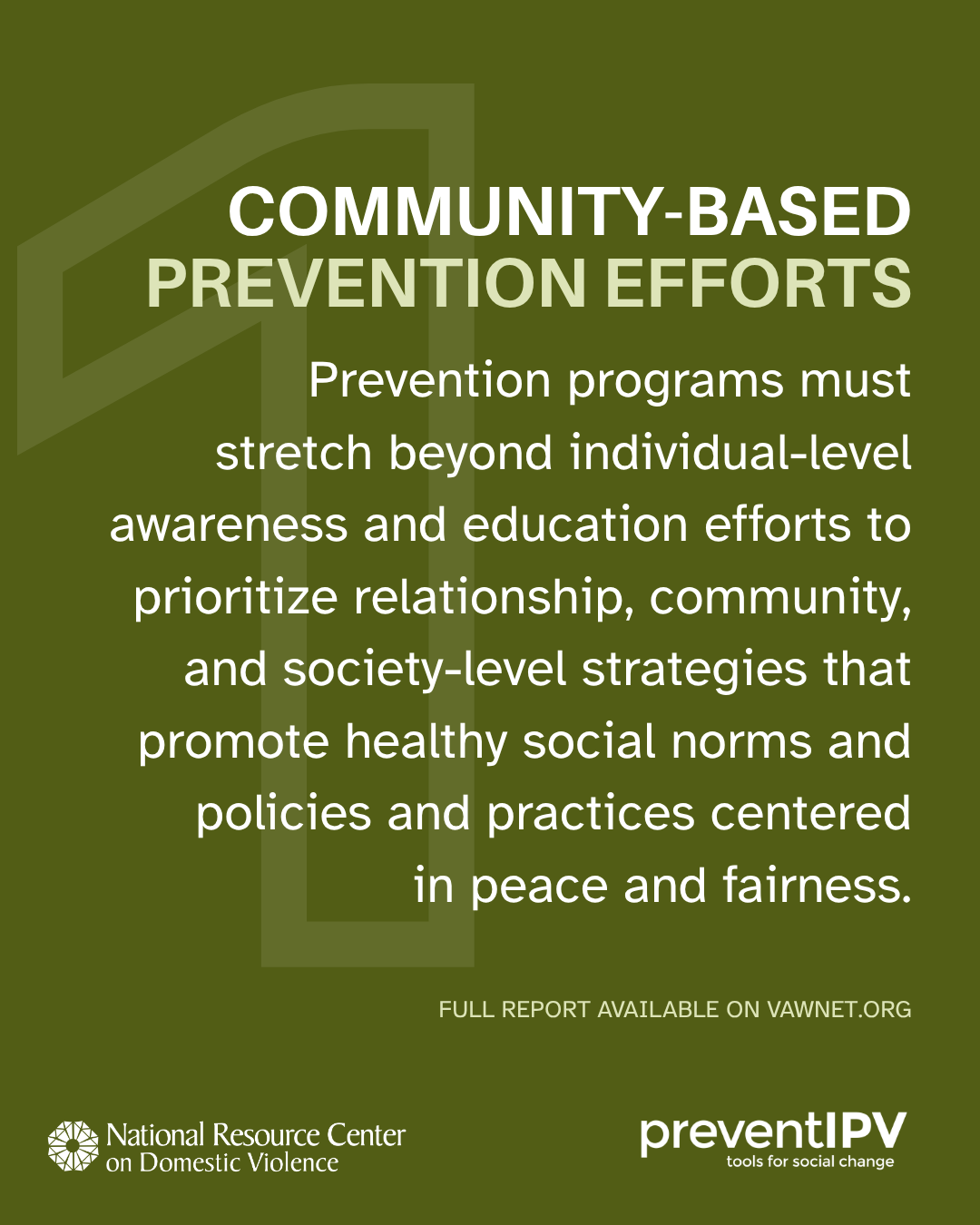
The scan makes it clear that prevention works best when it is shaped by the community itself. Programs that center local culture, lived experience, and community leadership are seeing stronger engagement and more lasting change. This lines up with what many of you have been saying for years. Prevention must reflect the strengths and priorities of the people it is meant to serve.
TA guidance:
Take a moment to think about how your current strategies reflect the voices of your community. Are there ways to bring in more input from youth, cultural leaders, or grassroots groups? Even small steps, like co-creating activities or building in more opportunities for feedback, can make a big difference. Community driven prevention is about staying connected, listening closely, and being willing to adjust as you learn.
2. Building Evaluation Systems That Support Your Work
 What the report shows:
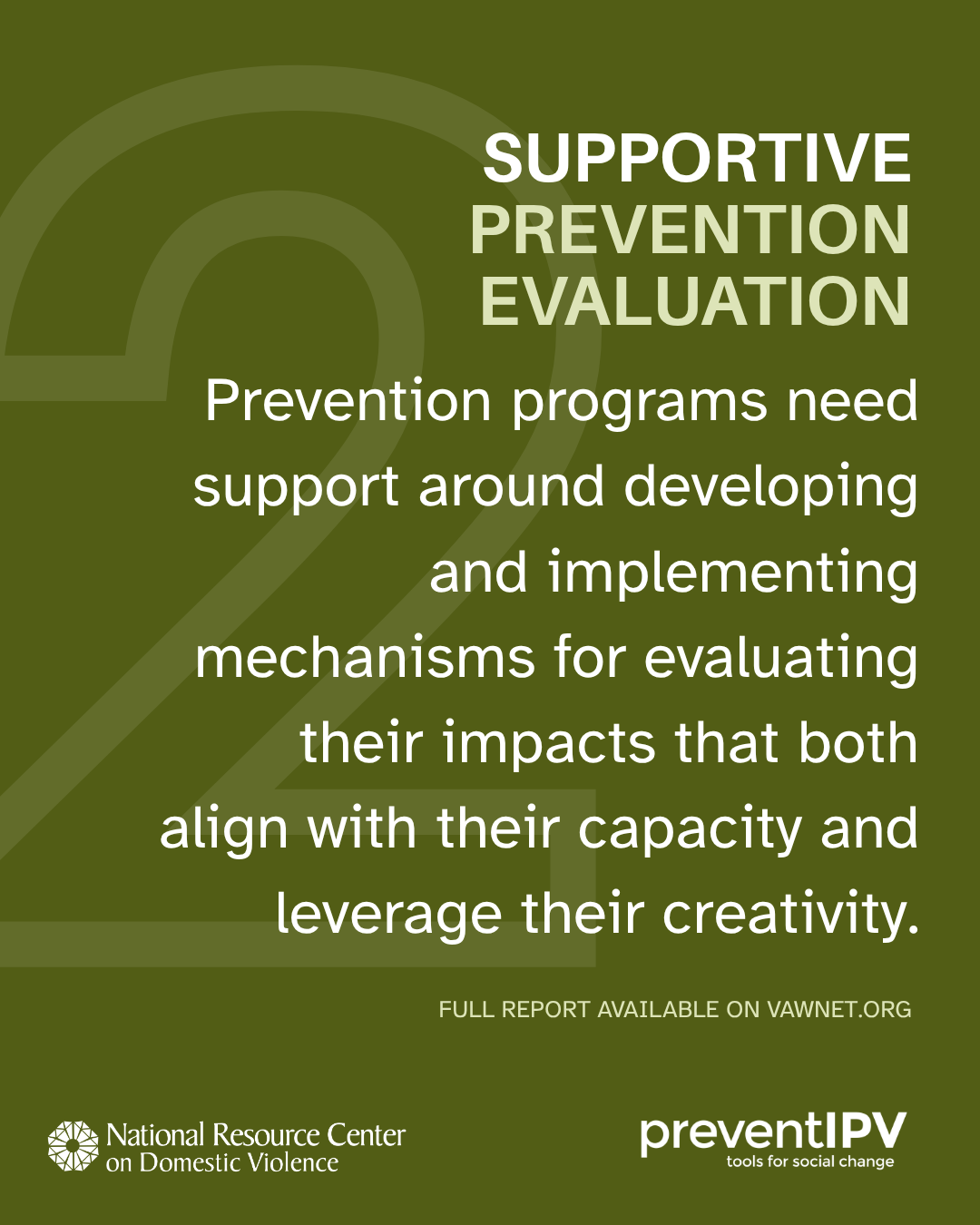
A lot of practitioners said they value evaluation but feel weighed down by tools that do not fit the realities of community-based work. The scan points to a need for evaluation approaches that are flexible, supportive, and realistic.
TA guidance:
Evaluation should help you grow, not add stress. If your current tools feel too heavy, it might be worth simplifying what you track or focusing on a smaller set of indicators that truly matter to your program. You can also explore more participatory approaches that bring community members into the process. And if you want help figuring out what this could look like, we are always here to talk through options with you.
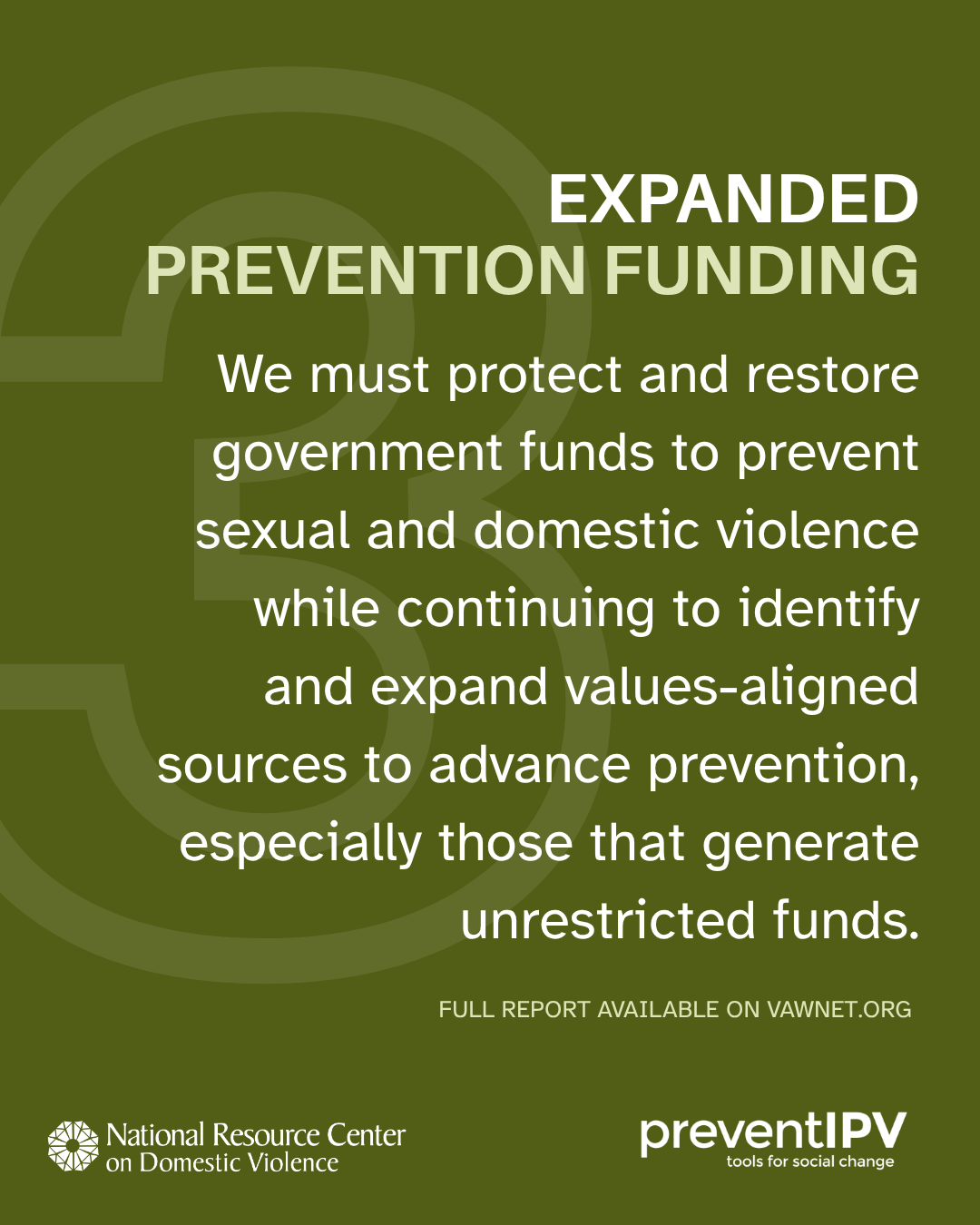
3. Addressing Funding Challenges and Planning for Stability
 What the report shows:
Funding continues to be one of the biggest challenges. Many programs are juggling short term grants or restrictive funding streams that make long term planning tough. This is something we hear from you often, and the scan confirms it is a national trend.
TA guidance:
While funding limitations are real, there are ways to build more stability over time. Keeping track of your successes, whether through stories, data, or community feedback, can strengthen future proposals. You might also explore partnerships or local fundraising efforts that can help fill gaps. The scan itself can be a helpful tool when talking with funders because it clearly shows why prevention needs long term, flexible support.
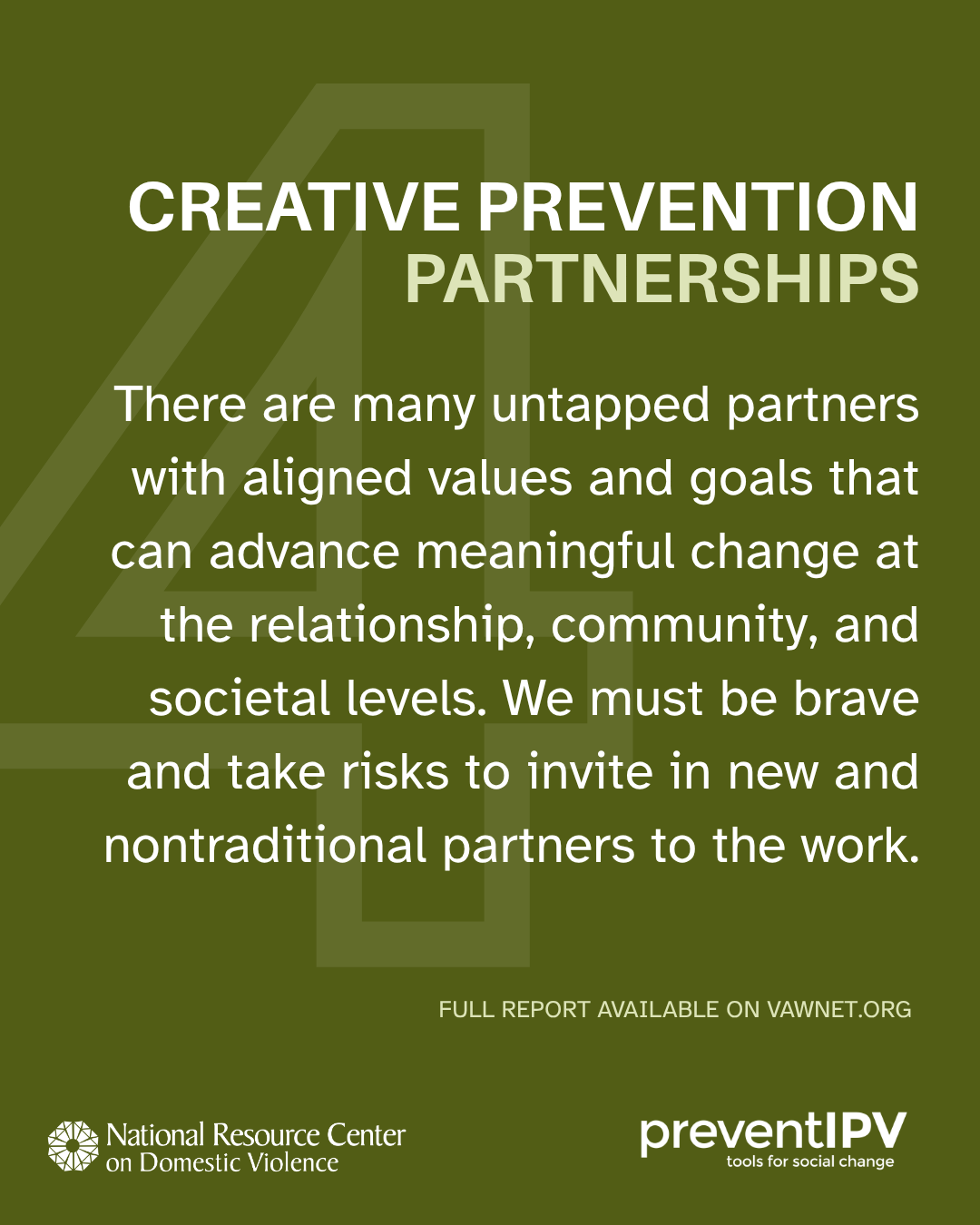
4. Expanding and Sustaining Cross Sector Partnerships
 What the report shows:
One of the most encouraging findings is the creativity happening through cross sector partnerships. Programs are teaming up with schools, youth organizations, public health departments, economic justice groups, and many others. These partnerships are helping address the broader conditions that contribute to violence and are opening new doors for prevention work.
TA guidance:
Partnerships do not have to be complicated to be effective. Sometimes they start with a simple conversation or a small, shared project. Think about who in your community shares your goals around safety, equity, and well-being. Those relationships can grow over time and become a powerful part of your prevention strategy. If you are not sure where to begin, try mapping out who you already work with and where there might be room to build something new.
Why These Findings Matter for Your Work
The insights from the National Prevention Scan Data Report reflect the realities many of you navigate every day. They also highlight the strengths you bring to the field: creativity, resilience, and deep community connection. These findings can help guide your planning, strengthen your strategies, and support conversations with partners and funders.
As the field continues to grow and evolve, your leadership remains at the center. This report is not just a snapshot of national trends. It reflects your work, your challenges, and your commitment to building safer and healthier communities.